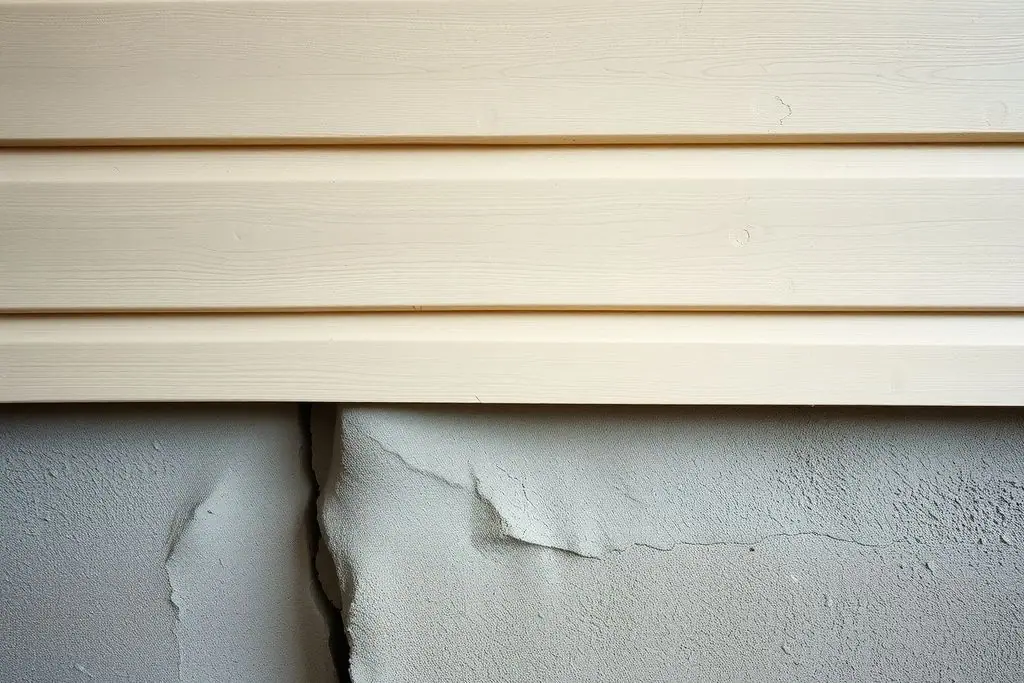
01Severity table
Symptom, severity and next step
| Symptom | Severity | Likely cause | Next step |
|---|---|---|---|
| Hairline vertical crack in concrete, stable | Monitor | Concrete shrinkage | Mark ends, date, photo; recheck |
| Stair-step crack in block or brick | Get an inspection | Differential settlement | Inspection |
| Crack wider than ~1/8", or one side offset | Get an inspection | Settlement or heave | Inspection, then a fix |
| Horizontal crack or bowing wall | Call an engineer now | Soil or water pressure | Engineer evaluation |
| Floors sloping or bouncy over a crawlspace | Get an inspection | Sagging girder, failed posts, rot | Leveling options |
| Doors and windows suddenly sticking | Get an inspection | Frame racking from movement | Inspection; note the date |
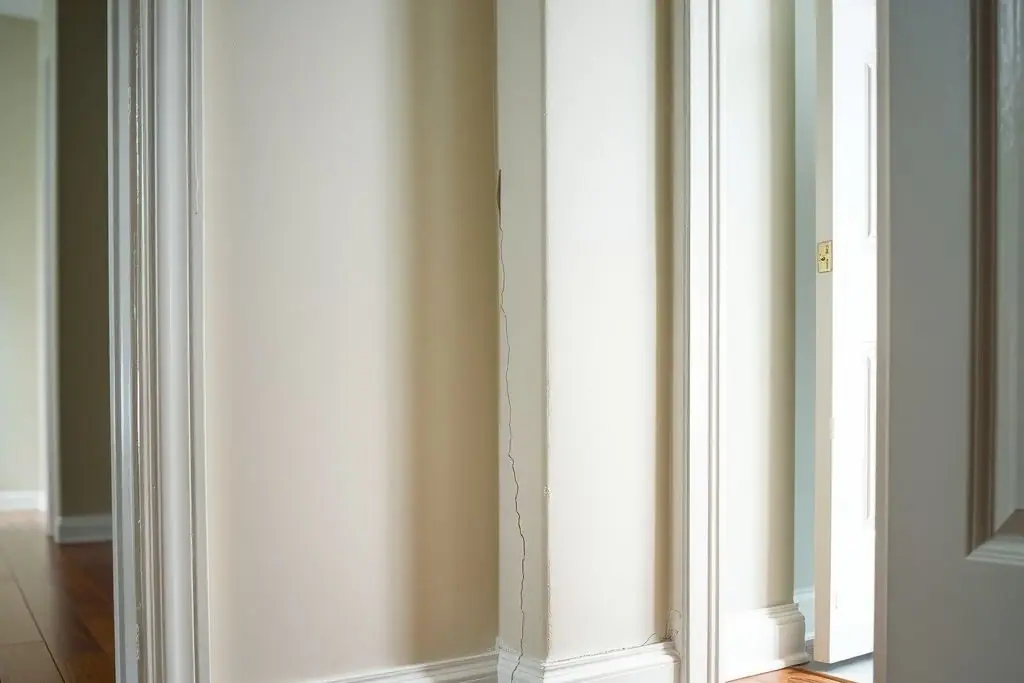
| Gaps at trim, cracked drywall at door corners | Monitor | Seasonal movement or settlement | Monitor; inspect if growing |
| Cracked chimney or chimney pulling away | Get an inspection | Settlement, quake damage | Inspection; chimney bracing |
| Porch or steps separating from the house | Monitor | Separate footing settling | Monitor; repair the steps |
| Cracks in the yard or slope, house on a hillside | Call an engineer now | Possible slope movement | Hillside engineer |
Severity labels are general guidance, not a diagnosis. Only someone who has been in the crawlspace or under the slab can say what is causing a symptom.
02Heave vs settlement
Is the house sinking or being pushed up?
Settlement
Part of the foundation drops: soft or poorly compacted fill, soil drying out under a corner, leaking pipes washing soil away, or a downslope edge creeping. Cracks tend to be wider at the top; floors slope toward the low spot.
Heave
Clay soils swell when wet and push the foundation up, often in the middle of a slab or along a wet side of the house. Cracks can be wider at the bottom and close again in dry months. The fix starts with water, not piers.
03Water
Water is behind most foundation movement
Roof runoff dumped at the foundation, yards that slope toward the house, and leaking pipes keep soil wet on one side and dry on another. Before paying for piers, ask whether gutters, downspouts and grading are part of the cause. For drainage fixes, see Walnut Creek Yard Drainage. More on soil in the soil and movement guide.
04Monitoring
How to document and monitor a crack
- Pencil a short line across each end of the crack and write the date next to it.
- Photograph it with a coin or tape measure for scale, from the same spot each time.
- Check door and window operation and note which ones stick and when.
- For sloping floors, roll a marble or use a long level in the same spots each season.
- Recheck every two to three months and after heavy rain or an earthquake.
- Keep the notes: an engineer or contractor can read a year of records much better than a single photo.
05Questions
Foundation problem questions
Should a foundation crack be repaired from the inside or the outside?
What is the best time of year to look at foundation problems?
Are hairline cracks in a foundation normal?
Can I tell how serious it is from photos?
Sources · read October 4, 2026